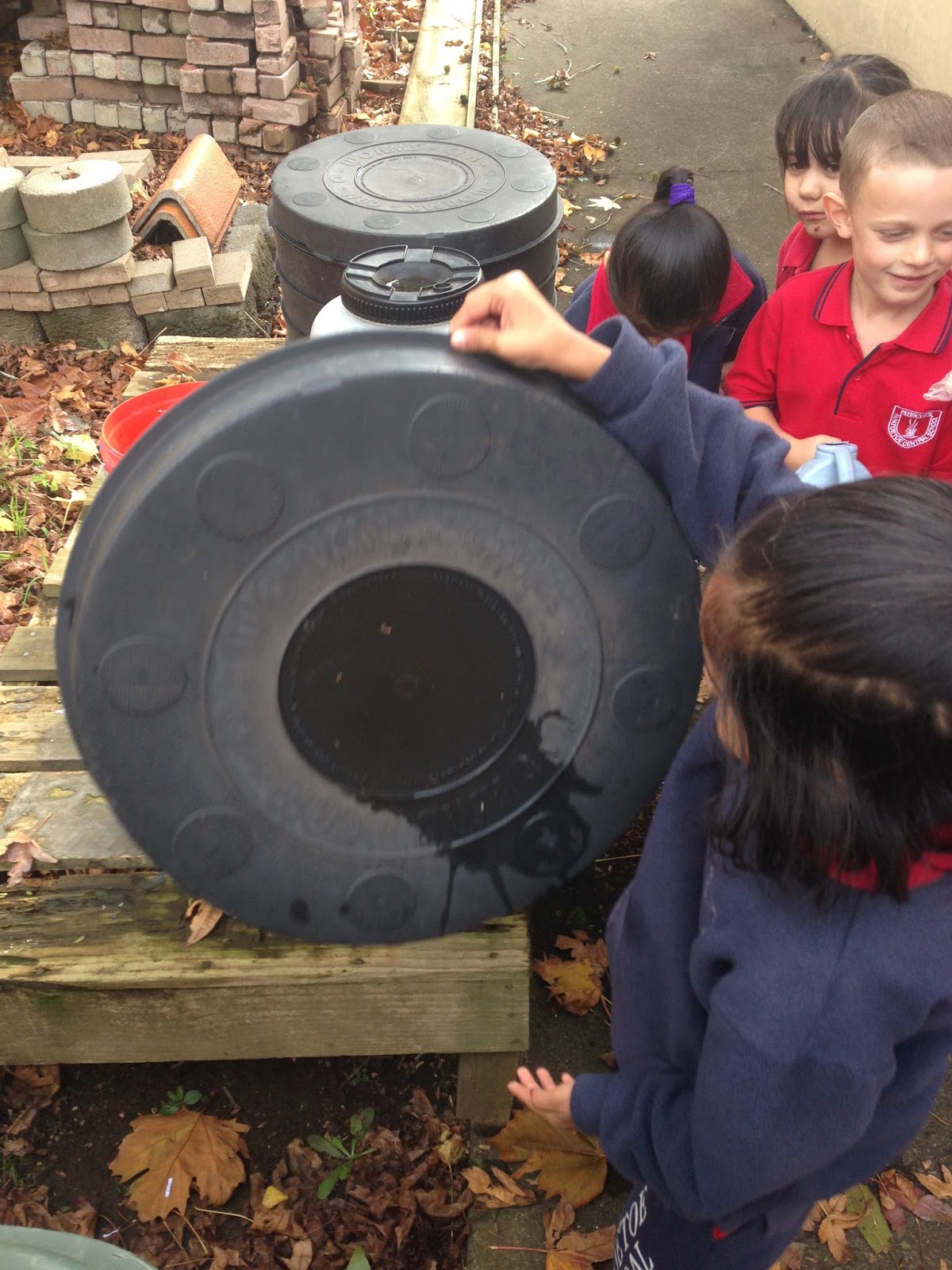
We are the PCS Environment and Sustainability Group at our wonderful school, Papatoetoe Central in Auckland, New Zealand. We are a group of Year 1- 6 students who work with Miss Barratt to take care of our school gardens and look out for ways we can be more sustainable in our school and our neighbourhood.
Friday, 17 June 2016
Tuesday, 14 June 2016
GARDENING TIPS
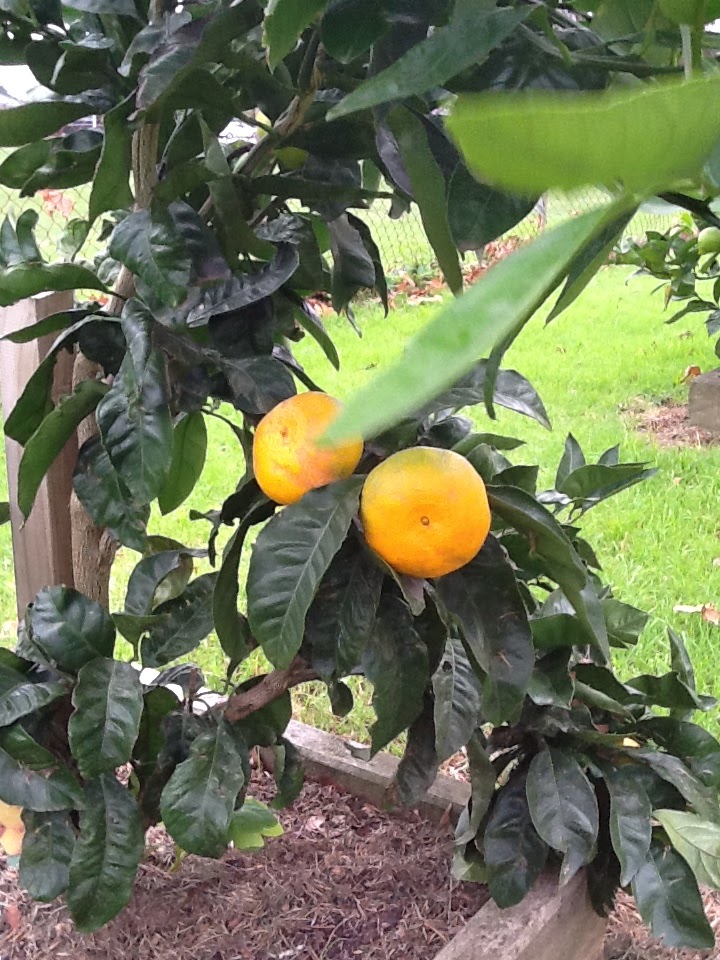
Herbs
in the Vegetable Garden
Some herbs are well suited
to growing in the vegetable garden, where they can be harvested as needed and
their self-seeding might even be welcome. Annual herbs like basil, coriander
and dill are more convenient if they are near the vegetables they will be
cooked with.
Where
to Plant Your Herb Garden
Pick a sunny spot, but try
to keep your herb garden near the kitchen, so you’ll be tempted to step outside
and grab what you need while cooking. Of course, if you’re re growing herbs other than for culinary use or if you’re
growing large batches of herbs to preserve or dry at the end of the season,
kitchen proximity may not be a concern.
From Environment and Sustainability Group
HOT SOUP DAY AT SCHOOL
| Mmmmmmmmmm! Very healthy |
| We are the regular gardeners at PCS |
| Mr. White also got a chance to taste our lovely vegetable soup |
| It's still too hot to eat so I'll wait for a little while- Ocean. |
Thursday, 26 May 2016
We are a group of amazing environmentalist at Papatoetoe Central School who dedicate two of our breaks each week to look after our vegetable gardens and our worm farms. Some of the jobs that we do in our vegetable gardens are: planting new vegetables keeping in mind the season, weeding and watering. Once a week we also feed the worms in the worm farm. We collect worm tea that is ready to be bottled and sold so that we can buy more seeds to plant in our gardens. Here are some pictures to show the work we do.
Friday, 20 May 2016
COMPOSTING
|
Compost is the single
most important supplement you can give your garden soil.
Composting is a
simple way to add nutrient-rich humus which fuels plant growth and restores
vitality to depleted soil. It's also free, easy to make and good for the environment.
|
|
How to Compost
|
|
1. Start your compost
pile on bare earth. This
allows worms and other beneficial organisms to aerate the compost and be
transported to your garden beds.
2. Lay twigs or straw first, a few inches deep. This aids drainage and helps aerate the
pile.
3. Add compost
materials in layers, alternating
moist and dry. Moist ingredients are food scraps, tea bags, seaweed, etc. Dry
materials are straw, leaves, sawdust pellets and wood ashes. If you have wood
ashes, sprinkle in thin layers, or they will clump together and be slow to
break down.
4. Add manure, green manure ( clover, buckwheat, wheatgrass, grass
clippings) or any nitrogen source. This activates the compost pile and speeds
the process along.
5. Keep compost
moist. Water occasionally, or let
rain do the job.
6. Cover with anything you have - wood, plastic sheeting, carpet
scraps. Covering helps retain moisture and heat, two essentials for compost.
Covering also prevents the compost from being over-watered by rain. The compost
should be moist, but not soaked and sodden.
7. Turn. Every few weeks give the pile a quick turn with a
pitchfork or shovel. This aerates the pile. Oxygen is required for the
process to work, and turning "adds" oxygen. You can skip this step
if you have a ready supply of coarse material, like straw.
Once your compost
pile is established, add new materials by mixing them in, rather than by
adding them in layers. Mixing, or turning, the compost pile is key to
aerating the composting materials and speeding the process to completion.
|
Subscribe to:
Posts (Atom)