Friday, 30 October 2015

Wonderful Worm Tea


Worm tea may not sound too appetising but your plants will really love it. 
 
Worm tea is a liquid produced by worms, which is high in nitrogen, and when diluted with water makes a highly nutritious plant food, as well as an effective fungicide and insecticide.
 
Worm tea lets you fertilise with something that is really nutritious for your plants. The beneficial micro-organisms contained in the worm tea are absorbed immediately by the soil and plants in your garden very quickly.

We have two worm farms on site. A group of dedicated student gardeners who look after it and carefully collect the worm tea into bottles.  
 
You can buy this amazing fertiliser from our school office. These bottles of garden goodness are available for $3.00.

Wednesday, 16 September 2015

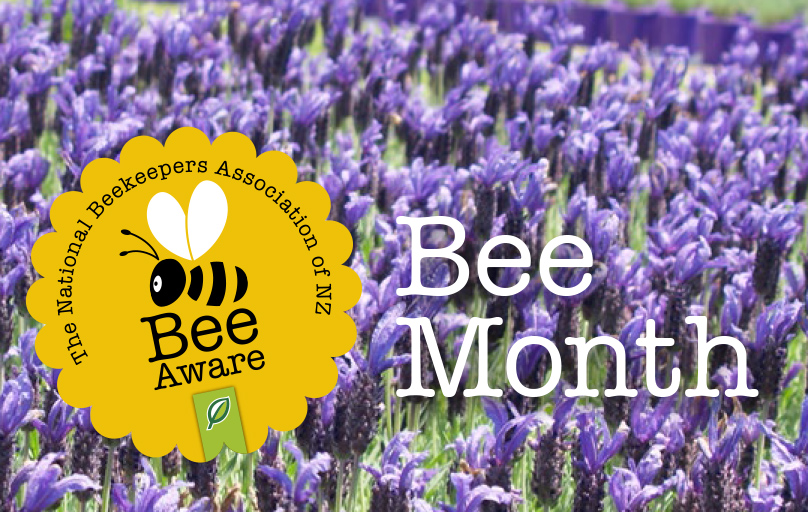
September: National Bee Awareness Month


Did you know that if bees died out there would be no chance of humans surviving? 

Bees are responsible for pollinating more than a third of the food we eat and yet populations of bees are disappearing all over the world.
As neighbourhoods become more built up and people plant low maintenance gardens without flowering plants, bees are left exhausted and hungry. 
 
National Bee Awareness Month is an initiative to increase the number and variety of nectar and pollen rich flowering plants available to friendly insect pollinators. 
 
Selecting a range of plants which offer flowers through the seasons is one way to help bee colonies. Here are some suggestions:
  • Blue, purple, white and yellow-flowering plants are their favourites as they can’t see the colour red.
  • Bees prefer plants with flowers with a single row of petals, which make landing and retrieving nectar easier.
  • Bees especially love the flowers of brassica, sunflowers, zinnias, cosmos, nasturtium and lavender.
  • Herbs which can be grown in containers if you don’t have much space such as chives, mint, basil,  lemon balm, rosemary, sage and thyme are excellent bee friendly options.
You don't have to dedicate a large plot of ground in order to help the bee population; just tuck some of these plants in among your vegetables and garden beds. And it’s a good excuse to not mow your lawn so often so the dandelions and clover have a chance to grow!